2026-10-15 ·
Preventing Frozen Pipe Bursts in Twin Peaks Mountain Homes
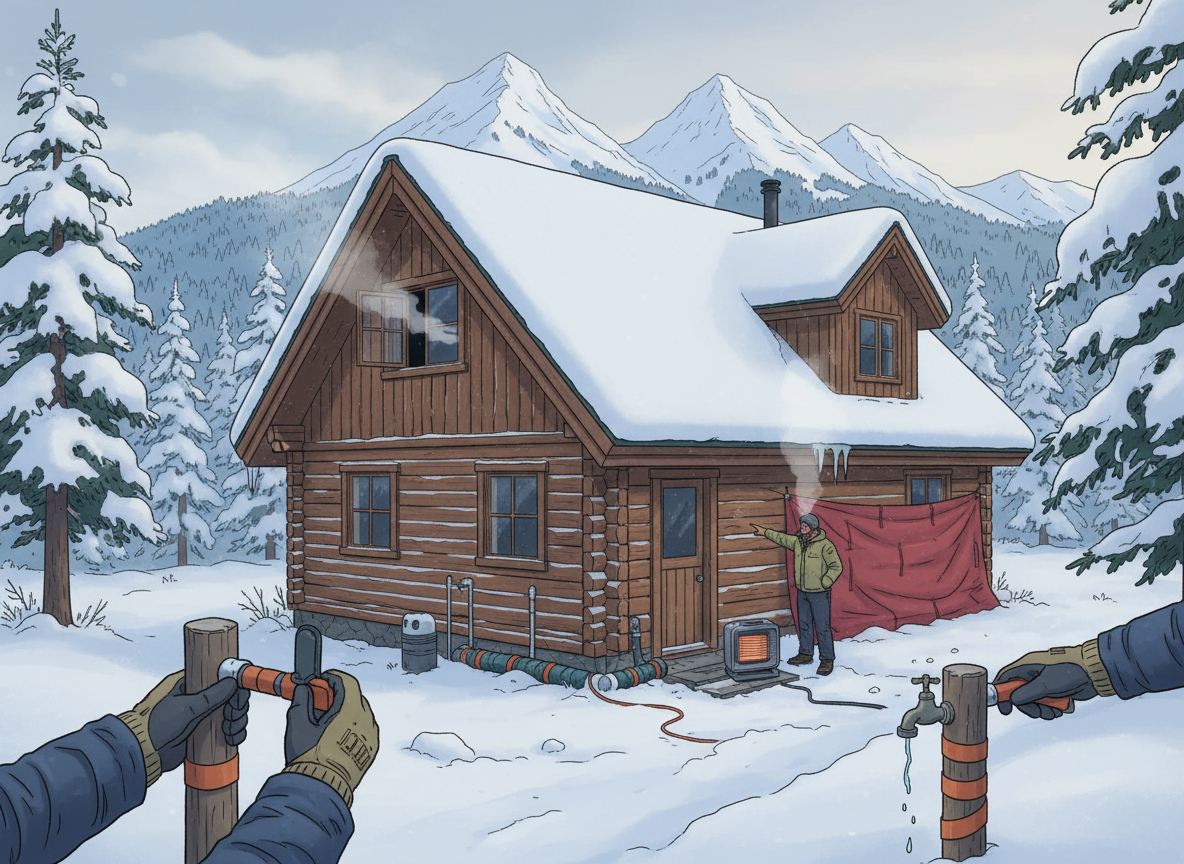
Twin Peaks mountain homes in San Bernardino County experience cold snowy winters that routinely drop below freezing at night, making pipe bursts a common issue for older cabins and homes built before modern insulation standards. The most effective prevention starts with insulating exposed pipes in crawl spaces and attics, maintaining indoor temperatures above 55 degrees even when away, and shutting off water to outdoor lines before the first freeze. These steps address the direct causes of expansion and cracking in unheated mountain structures.
Twin Peaks Winter Climate and Pipe Risks
Twin Peaks sits at elevation in the San Bernardino Mountains where winters bring repeated freeze-thaw cycles that stress plumbing in single-story cabins and two-story homes common throughout the area. Pipes running through uninsulated crawl spaces or along exterior walls expand when water freezes, often splitting copper or PVC lines installed decades ago. Nearby communities like Lake Arrowhead and Crestline share the same pattern because the terrain funnels cold air into valleys and shaded lots. Homeowners who leave properties unoccupied for days during holiday travel see the highest failure rates when thermostats drop unchecked. Checking forecasts from local stations and adding heat tape to vulnerable runs reduces the chance of sudden leaks that require water damage mitigation.
Insulating Exposed Pipes in Mountain Homes
Focus first on pipes in crawl spaces and attics where temperatures fall fastest during overnight lows. Wrap foam sleeves or fiberglass insulation around every accessible line, paying special attention to those near exterior walls or under floor joists in older Twin Peaks builds. Heat tape with built-in thermostats works well on supply lines feeding bathrooms and kitchens, but install it according to manufacturer spacing to avoid overheating. In homes near the 26100 CA-189 corridor, many basements sit partially below grade and trap colder air, so sealing foundation vents during winter helps retain warmth. These targeted measures protect the plumbing that serves the majority of local housing stock without requiring full system replacement.
Daily Monitoring Steps for Winter Months
Keep a consistent indoor temperature above 55 degrees even during short absences by using a programmable thermostat with remote alerts. Open cabinet doors under sinks to allow warm air to reach pipes on exterior walls, a simple habit that prevents isolated freezing in Twin Peaks kitchens and bathrooms. Check outdoor spigots and hose bibs for proper shutoff and drainage before snow arrives, then disconnect hoses to avoid trapped water. For properties in nearby Crestline or Rimforest that see heavier snow loads, schedule a mid-winter walkthrough to confirm attic insulation has not shifted and exposed pipes remain covered. These routines catch issues before they become emergency water removal situations.
When Frozen Pipes Still Occur
If a line freezes despite precautions, avoid direct flame or high-heat sources that can damage fittings or start fires. Apply warm towels or use a hair dryer on low to thaw sections gradually while keeping the faucet open to relieve pressure. Once flow returns, inspect for leaks and call for professional assessment if water has reached floors or walls. Links to services such as water damage mitigation and emergency water removal provide next steps when damage appears. Properties that experience repeated issues often benefit from reviewing related guidance on removing musty odors from basements after spring runoff in Twin Peaks or typical costs for drying and repairing water-damaged floors in Twin Peaks cabins.
Routine checks and insulation upgrades protect Twin Peaks homes through the full winter season without relying on emergency calls. Owners who combine these habits with 24/7 availability at 26100 CA-189, Twin Peaks, CA 92391 stay ahead of freeze-related failures common to the local mountain climate.